
Uganda is home to nearly two million refugees, making it the largest refugee-hosting country in Africa. Many refugees have fled conflict and instability in South Sudan, Sudan, and the Democratic Republic of the Congo, seeking safety in settlements such as Kiryandongo, Bidi Bidi, Nakivale, and Rhino Camp. While these communities offer protection, access to clean and safe water remains one of the greatest daily challenges facing refugee families, especially children.
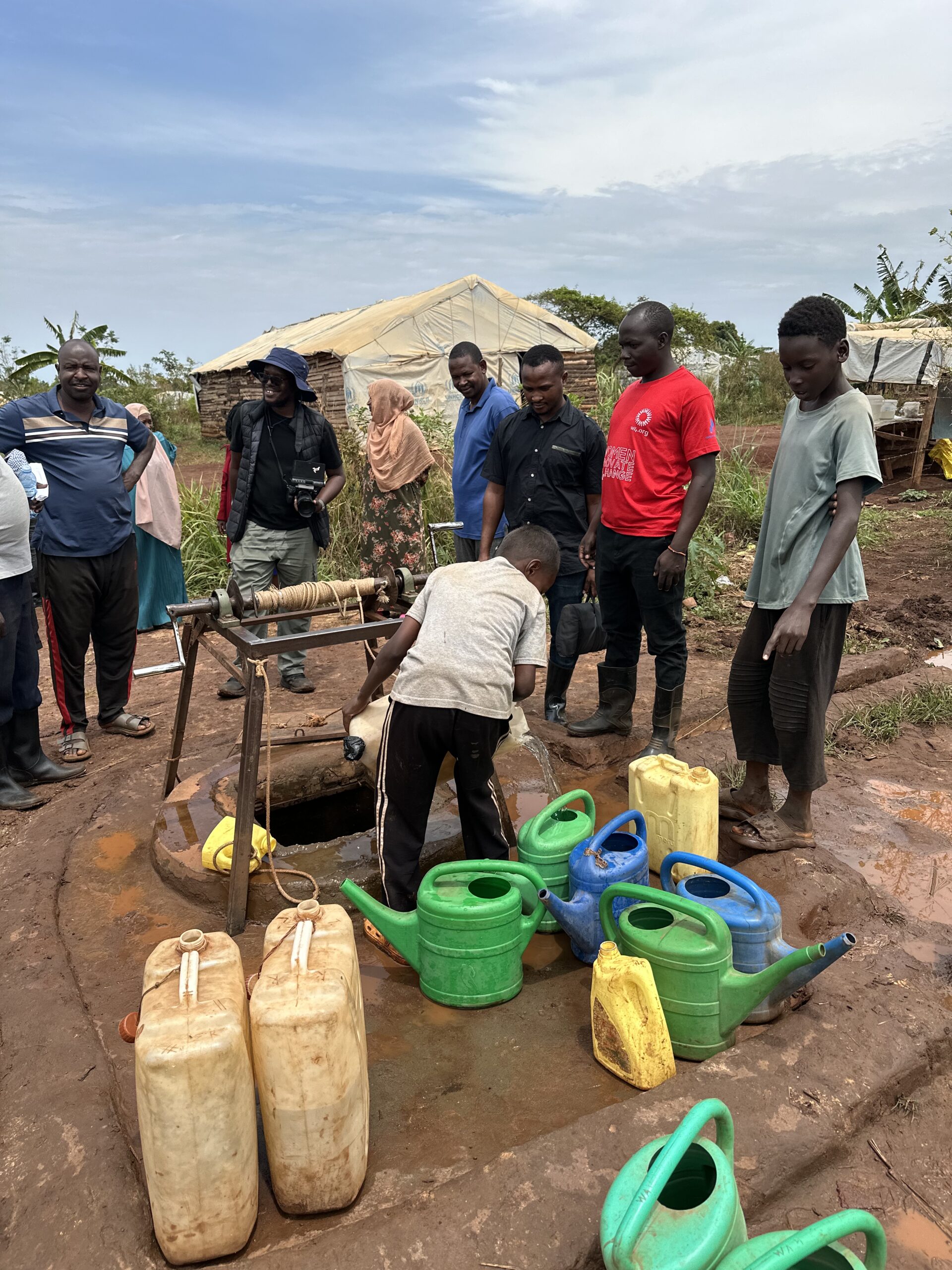
The growing refugee population has placed significant pressure on existing water infrastructure. In many settlements, thousands of people depend on a limited number of wells, boreholes, and communal water points. As a result, water shortages are common, particularly during dry seasons.
Women and children often walk long distances to collect water and may spend hours waiting in overcrowded queues. Climate change, prolonged droughts, and unpredictable rainfall patterns further reduce water availability, making it increasingly difficult for families to access enough clean water for drinking, cooking, and hygiene.
Limited access to safe water and sanitation facilities also increases the risk of waterborne diseases such as diarrhea, cholera, and typhoid, which disproportionately affect young children.
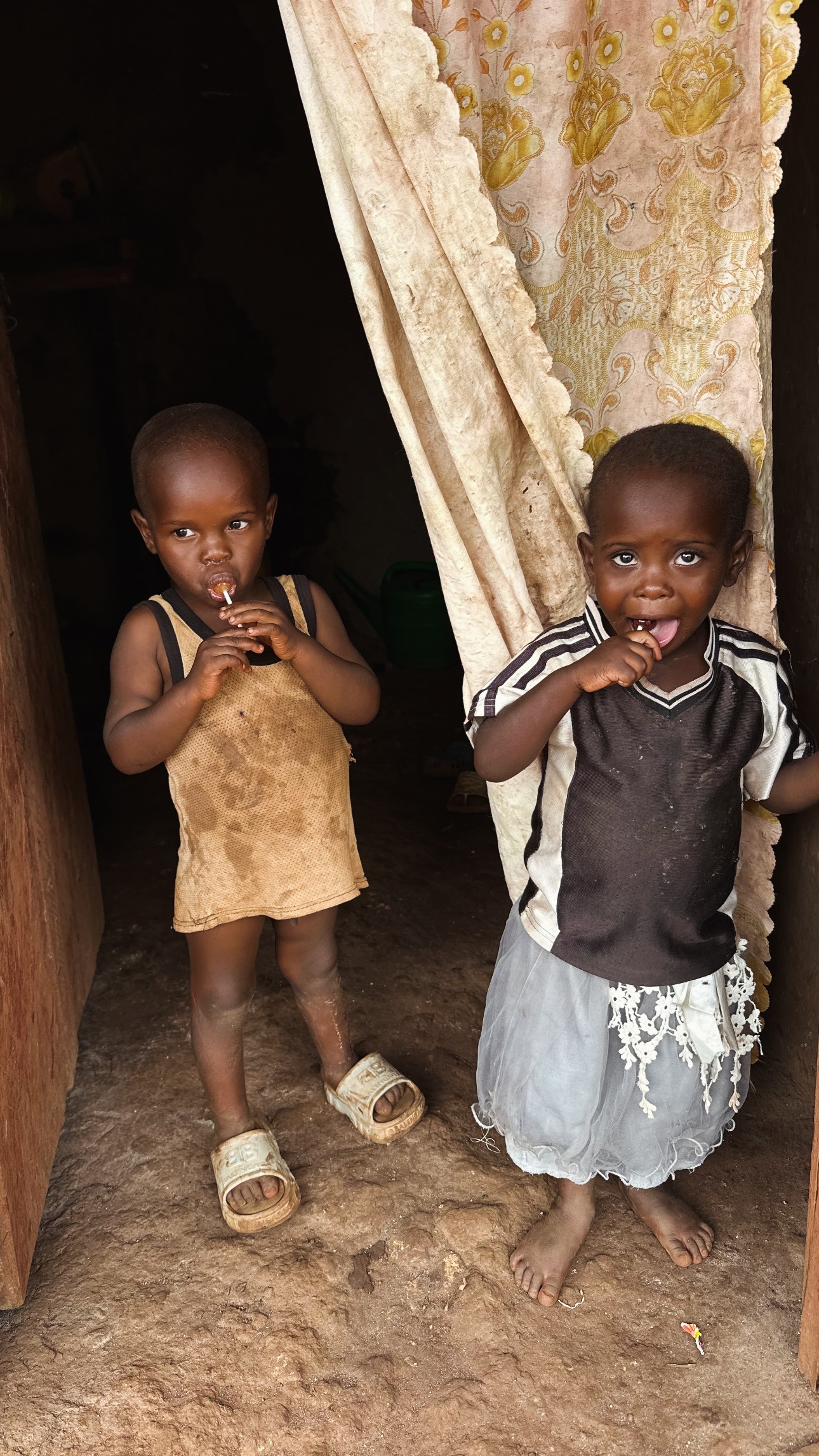
Children are among the most vulnerable victims of the water crisis. Many suffer from dehydration, illness, and poor hygiene due to inadequate access to clean water. Some children miss school to help their families collect water, while others struggle to concentrate in class because of thirst and poor health.
Water shortages are particularly challenging for schools within refugee settlements. Many schools lack reliable access to clean water for drinking, handwashing, and sanitation. Without sufficient water, schools cannot maintain healthy learning environments, leading to increased absenteeism and reduced educational outcomes. Girls are especially affected when schools lack adequate water and sanitation facilities.
Building wells and boreholes is one of the most effective and sustainable solutions to the water crisis. A single well can provide thousands of people with reliable access to clean water close to their homes, schools, and healthcare facilities.
The benefits of well-building projects include:
- Providing safe drinking water for families and children.
- Reducing the time spent walking long distances to collect water.
- Improving school attendance and educational outcomes.
- Supporting better hygiene and sanitation practices.
- Reducing the spread of waterborne diseases.
- Strengthening community resilience during droughts and dry seasons.
When wells are installed at schools, students can focus on learning rather than searching for water, creating safer and healthier environments for education.
Humanitarian organizations across Uganda continue to invest in well and borehole construction, solar-powered water systems, water storage tanks, school water projects, and hygiene education programs. These initiatives provide life-changing access to clean water and help improve health, education, and overall quality of life for refugee families.
At As Humanity, we believe that access to clean water is a fundamental human right. Through support for well-building projects, water storage systems, and school-based water initiatives, we are helping to provide refugee children and families with safe, reliable access to clean water.
Clean water is more than a basic necessity — it is the foundation for health, education, dignity, and opportunity. By investing in sustainable water solutions today, we can help create healthier communities and brighter futures for refugee children across Uganda.